


Navigating Dutch Gambling Regulations for Online Casinos
The landscape of online gambling is heavily influenced by national legislation, and the Netherlands is a prime example. Strict adherence to laws like the Gaming Act and the Remote Gaming Act dictates the operational framework for any entity wishing to offer casino services. These regulations are designed to protect consumers, prevent problem gambling, and ensure a fair playing field, meaning that unlicensed operations are strictly prohibited within the country’s borders, and players often seek alternatives such as casinia.co.com.
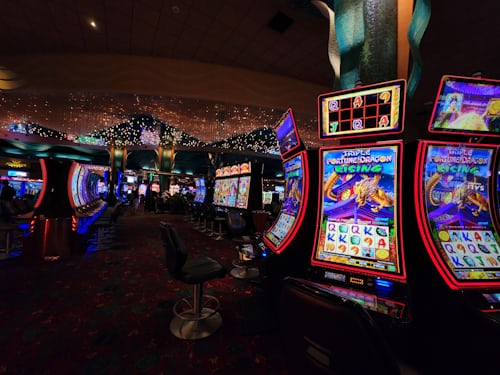
For players residing in the Netherlands, understanding these regulatory restrictions is paramount. Websites that do not possess the necessary licenses are consequently inaccessible to them. This is not an arbitrary barrier but a direct consequence of Dutch law, aimed at channeling gambling activities through licensed and regulated channels. The Dutch Gambling Authority (Ksa) is the governing body responsible for enforcing these rules and can provide comprehensive information on the current legal status of online gambling services within the Netherlands.
The Importance of Licensing in the Online Casino Sector
Licensing is the cornerstone of legitimacy for any online casino operating within a regulated jurisdiction. Without a valid license, an operator cannot legally offer their services, particularly in countries with stringent gambling laws such as the Netherlands. This licensing process involves rigorous checks and ongoing compliance requirements, ensuring that operators meet high standards for player protection, game fairness, and financial integrity. It signifies a commitment to operating responsibly and ethically.
The prohibition of unlicensed gambling in the Netherlands underscores the importance of this regulatory framework. Players seeking to engage with online casino platforms should always verify that the operator holds the appropriate licenses. This not only ensures legal compliance but also provides a layer of security and recourse in case of disputes. The Dutch government’s approach prioritizes a controlled environment, where licensed casinos are subject to oversight, safeguarding both the integrity of the games and the well-being of the players.
Understanding the Impact of Dutch Gaming Laws on Accessibility
The specific implementation of the Dutch Gaming Act and the Remote Gaming Act has a direct impact on the accessibility of online casino platforms for individuals located within the Netherlands. These laws have led to the blocking or restriction of access to many international gambling sites that have not secured a Dutch license. This is a proactive measure by the authorities to enforce their regulatory control and encourage a transition towards a locally licensed market.
Consequently, players in the Netherlands may find that their preferred online casino is unavailable. This situation is a direct result of the legal framework in place and is not a reflection of the quality or legitimacy of the platform itself, but rather its compliance with Dutch regulations. For detailed insights into why certain platforms are restricted, consulting resources from the Dutch Gambling Authority (Ksa) is the most accurate and official course of action.
Consequences of Unlicensed Gambling Operations in the Netherlands
The Dutch legal system takes a firm stance against unlicensed gambling. Offering or promoting casino services without the requisite license is a violation of the Gaming Act and the Remote Gaming Act. This prohibition extends to advertising and facilitating access to such operations. The objective is to create a secure and regulated environment for all gambling activities, protecting consumers from potential exploitation and fraud associated with unregulated platforms.
For operators, the consequences of non-compliance can be severe, including substantial fines and legal action. For players, engaging with unlicensed sites carries its own risks, such as a lack of player protection, no recourse for disputes, and potential legal repercussions. The Dutch authorities actively monitor the online space to ensure that only licensed and regulated entities operate within their jurisdiction, prioritizing consumer safety and fair play above all else.

The Role of the Dutch Gambling Authority (Ksa)
The Dutch Gambling Authority, known as the Ksa, plays a pivotal role in overseeing and regulating the gambling market in the Netherlands. Its mandate is to ensure that gambling is conducted fairly and safely, with a strong emphasis on preventing addiction and protecting vulnerable individuals. The Ksa is responsible for issuing licenses to operators who meet stringent criteria and for enforcing the provisions of the Dutch Gaming Act and the Remote Gaming Act.
The Ksa’s efforts are crucial in maintaining the integrity of the gambling industry within the Netherlands. By setting clear rules and actively monitoring compliance, they aim to foster a responsible gambling environment. Any individual seeking to understand the legal status of online casino access within the Netherlands, or the reasons behind website restrictions, should refer to the official information provided by the Ksa. This ensures accurate and up-to-date knowledge of the regulatory landscape.
